
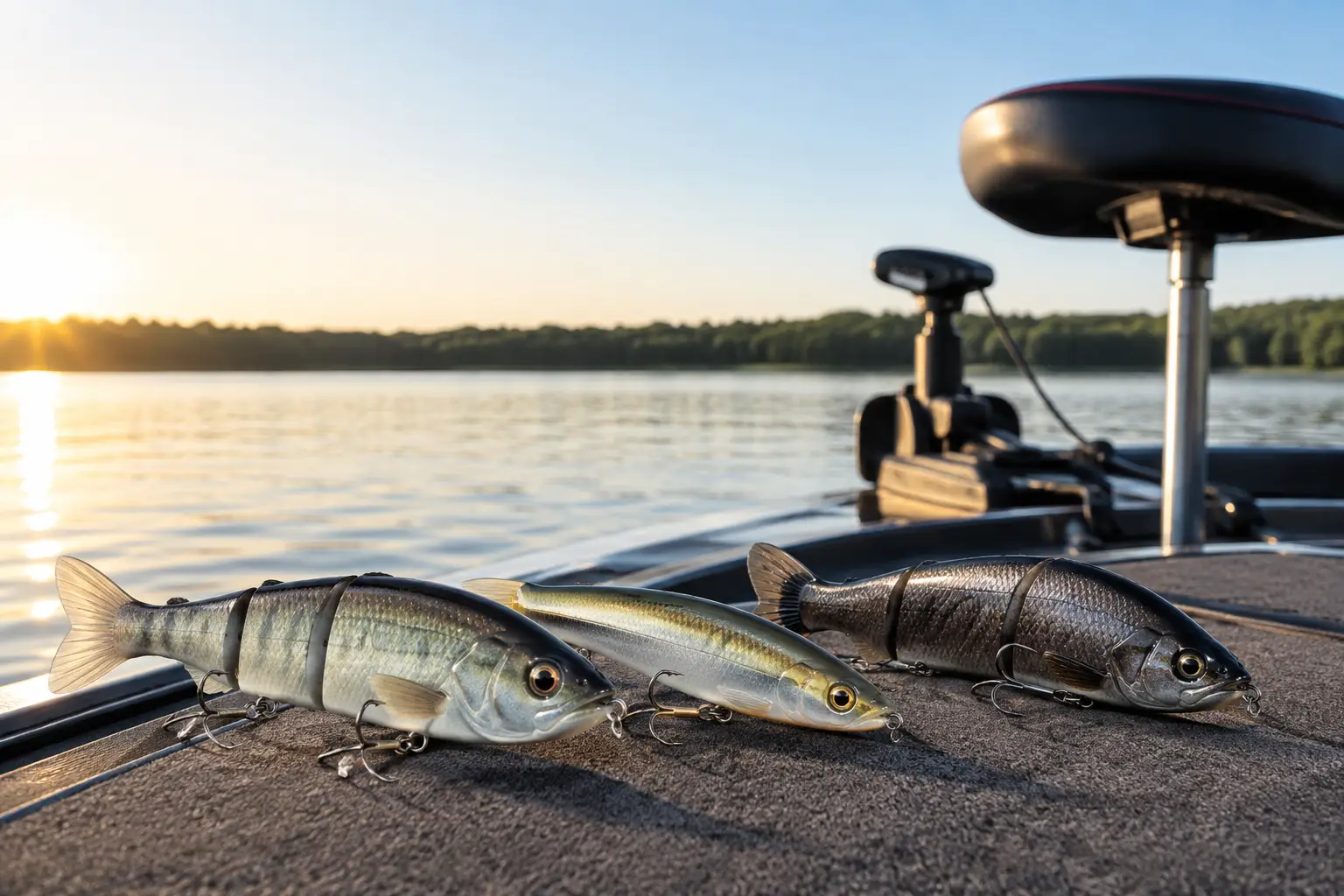
A bass does not eat a swimbait because it looks pretty on the deck. It eats because the bait shows up where a real meal should be, moves like something worth chasing, and gives that fish an easy decision. That is why bass swimbaits are one of the best tools for anglers hunting quality fish instead of just hoping for a bite.
The trick is not throwing the biggest bait you can find and winding it back to the boat. Swimbaits work when you match the profile, depth, and pace to what bass are feeding on. Get those three right, and a swimbait can produce in cold water, around grass, on offshore structure, and along shallow cover.
Start With the Forage, Not the Hype
Before picking a swimbait, look around. Are bass feeding on threadfin shad, bluegill, shiners, perch, or young-of-year baitfish? The forage in your lake should drive bait size and color more than whatever is getting attention at the tackle counter.
A 3- to 4-inch paddletail is a strong everyday choice when bass are feeding on small shad or when fishing pressure has them cautious. It is easy to cast, easy to rig, and gets bites from bass of all sizes. Step up to a 5- or 6-inch bait when you are targeting bigger fish, when the lake has larger forage, or when the water is stained enough for bass to key on a broader profile.
Big swimbaits have earned their reputation for catching giants, but they are not magic. A large bait can draw a true trophy bite, yet it can also be too much when bass are feeding on small shad or simply are not willing to chase. Let the conditions tell you how big to go.
Color matters, but it comes after size and action. In clear water, natural shad, bluegill, and translucent colors usually make sense. In stained water, use a bait with more contrast: white, chartreuse accents, a dark back, or a solid belly. Muddy water calls for a bait bass can track, so choose a stronger profile and do not be afraid of a little flash or vibration.
Choose the Right Bass Swimbait Setup
A soft paddletail swimbait is the workhorse of the family. Its tail thumps on a steady retrieve, it can be fished at several depths, and it handles a wide range of conditions. Rig it on a jighead in open water, on a weighted swimbait hook around grass and wood, or on an underspin when a little flash helps fish find it.
Jighead weight controls more than casting distance. It controls your running depth, fall rate, and how fast you have to retrieve to keep the bait moving correctly. A light head lets you fish high in the water column and crawl over shallow grass. A heavier head gets down on points, ledges, creek channels, and deep brush, but it can also bury in cover or make the bait look too fast if you keep winding.
For shallow grass, docks, laydowns, and other cover, use a weedless weighted hook. Keep the hook point tucked cleanly in the plastic so the bait comes through without hanging up. This setup is especially good when bass are holding shallow but will not commit to a topwater or a moving spinnerbait.
Open-water fish are a different deal. A jighead gives you better hook exposure and a more direct connection to the bait. When fish are suspended over a creek channel, roaming a point, or following bait schools, that clean hookset can make the difference between a quick strike and a missed opportunity.
Match your tackle to the bait. Medium-heavy casting gear handles most 4- to 6-inch paddletails well. If you are throwing a larger, heavier swimbait, move up to a heavier rod with enough backbone to drive a stout hook home. Braid to a fluorocarbon leader works around grass and long casts. Straight fluorocarbon is a good choice in clear water and around rock, where abrasion resistance matters.
Retrieve It Like a Real Meal
The best swimbait retrieve is usually slower than anglers think. Start with a steady pace that makes the tail work but does not make the bait blow out or roll. Watch the bait near the boat before your first cast. If it tracks straight with a natural kick, you are in business.
Then pay attention to where bites happen. If bass strike on a slow roll near the bottom, keep repeating that depth and speed. If they hit when the bait clears the top of submerged grass, focus on that edge. Swimbait fishing is less about fancy rod work and more about putting the bait in the strike zone over and over.
A few small changes can turn followers into biters. Pause the bait for a split second when it reaches a grass edge, a stump, or a rock. Make a quick half-turn of the reel to imitate a baitfish trying to escape. If a bass follows to the boat, do not quit winding. Speed the bait up slightly and make a wide turn before lifting it out. A following fish often commits when it thinks its meal is getting away.
Keep your rod tip positioned to control depth. A tip held high helps a light bait stay above grass. A tip pointed down helps keep it deeper on a slow retrieve. That sounds simple, but it is a useful adjustment when you need to run the same bait just a foot higher or lower without retying.
Where Swimbaits Earn Their Keep
Swimbaits shine wherever bass are feeding on moving baitfish. Shallow flats, secondary points, riprap banks, creek mouths, bridge pilings, grass lines, and offshore humps can all produce. The key is finding the route bass use to move between deep water and feeding areas.
In spring, work a paddletail around spawning pockets, shallow points, and grass that is starting to grow. Bass may be guarding territory, feeding up, or cruising, so a swimbait gives them a target that looks alive without being too aggressive.
During summer, swimbaits are excellent for covering water early and late, especially around shad activity. When the sun gets high, move deeper. Slow-roll a heavier rig along ledges, over brush, and down the sides of points. Keep contact with the depth where baitfish are showing up, not just the bottom.
Fall is hard to beat for swimbait fishing. Bait moves shallow, and bass often feed with their shoulders down. Fish creek arms, flats near deeper water, and windblown banks. A natural shad-colored paddletail burned just under the surface can draw strikes that feel like someone hit your line with a hammer.
Winter asks for patience. Use a smaller profile, slow down, and let the bait stay close to the depth of the fish. A subtle paddletail crawled through deep timber, along bluff ends, or beside channel swings can get bites when faster presentations are ignored.
Do Not Let a Missed Bite Ruin the Pattern
Swimbait strikes are not always clean. A bass may swipe at the tail, follow without eating, or load up on the rod after you have already started to wonder if the bait is fouled. When you feel a thump, resist the urge to jerk hard immediately. Keep reeling until the rod loads, then lean into the fish and drive the hook home.
If bass are regularly short-striking, first check the bait. A torn or crooked paddletail will not track right. Then consider downsizing, slowing down, or changing to a hook setup with better exposure. An added trailer hook can help in open water, but it is a poor trade around grass, brush, and wood where snagging becomes part of every cast.
Confidence comes from paying attention. Note the water temperature, clarity, wind, bait size, depth, and retrieve that produced each bite. The more patterns you recognize, the faster you can choose a swimbait that belongs in the situation instead of just tying one on and hoping.
A good swimbait is built to get eaten, but the angler still has to put it in front of the right fish. Slow down long enough to read the water, match what bass are feeding on, and make every cast look like an easy meal. When that line jumps, keep reeling, lean back, and hang on.
