
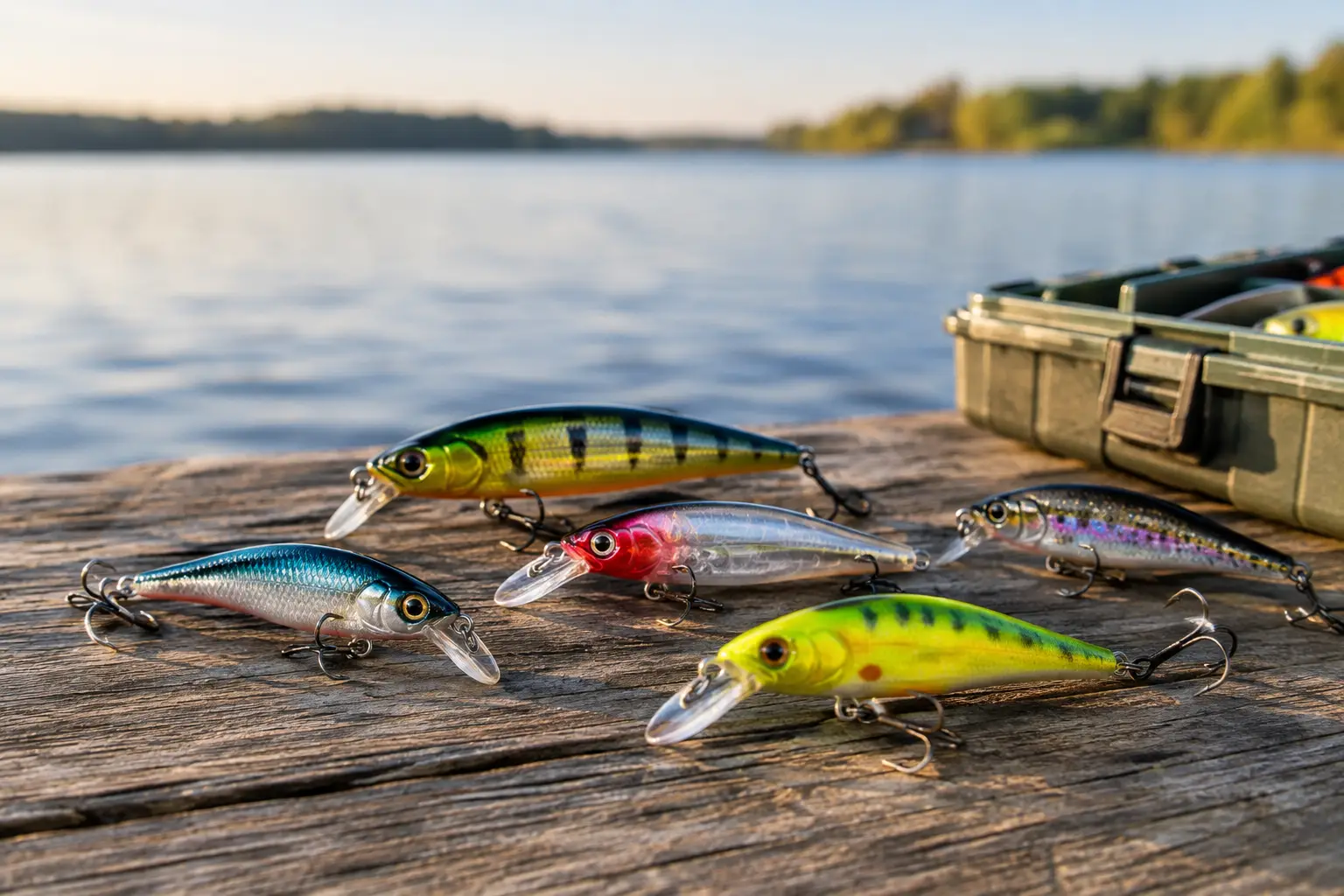
A lure can look great on the peg and still be wrong for the water in front of you. That is where custom fishing lures earn their keep. The right skirt color, blade combination, trailer profile, hook size, or rattle setup can turn a bait from something you own into something you reach for when the bite matters.
Custom does not have to mean fancy. It means the bait is built around a job: waking a buzzbait over shallow grass, crawling a jig through wood, covering a windy bank, or showing pressured bass a profile they have not seen all week. When every part of a lure has a purpose, you fish with more confidence and waste less time second-guessing your tackle.
What Custom Fishing Lures Should Actually Change
A useful custom lure changes how a fish finds, tracks, or commits to the bait. Color gets attention, but it is only one piece of the deal. Vibration, sound, silhouette, speed, and hook placement often matter just as much – and sometimes more.
Take a buzzbait. In dirty water, a larger blade that puts out a hard thump can help fish locate it. Around clear-water docks, a more subtle squeak and a compact profile may draw strikes without making a racket. Neither setup is automatically better. It depends on water color, fishing pressure, forage, and how aggressive the fish are willing to be.
The same goes for jigs. A bulky trailer pushes water and slows the fall, which can be exactly right around shallow cover or when bass are feeding on crawfish. A slimmer trailer gets down faster and can look cleaner when fish are holding tight to deeper brush. Customizing the bait gives you control over those details instead of asking one stock setup to do every job.
Start With the Water, Not the Paint Rack
Color is fun, and a sharp-looking lure belongs in every tackle box. But start by reading the conditions. Water clarity tells you how much visual detail fish can see. Wind affects how much vibration and flash you can get away with. Cover determines whether you need a streamlined bait, a weedless presentation, or a heavier hook that can winch a big fish out.
In muddy water, high-contrast colors such as black, chartreuse, white, or bold combinations can help create a target. Blades, rattles, and hard-thumping action pull extra weight here. In clear water, natural shad, bluegill, craw, and translucent soft-plastic colors often make more sense, especially under bright skies.
Low light changes the equation. At dawn, dusk, under cloud cover, or in stained water, a dark silhouette can be easier for a bass to track than a detailed natural pattern. That is one reason black buzzbaits and dark jigs have put a lot of big fish in the boat. A fish looking up does not always need a perfect imitation. It needs a bait it can find and eat.
Build the Lure Around a Specific Bite
The best reason to order or rig a custom bait is that you have a clear situation in mind. “I want something different” is a start. “I need a compact spinnerbait for stained-water laydowns where shad are small” is a plan.
For a topwater bite around shallow grass, focus on a bait that comes through clean and stays on the surface at a slow pace. A buzzbait with the right blade, head weight, and trailer can let you crawl it across openings instead of burning it past the strike zone. If fish are missing the bait, a trailer hook may help, but it can also hang more grass. That trade-off matters. In thick vegetation, a clean retrieve may be worth more than an extra hook point.
For spinnerbaits, blade choice is where custom work really shows. Colorado blades create lift and thump, making them strong choices for stained water, low light, and slower retrieves. Willow blades throw flash and run well at speed, which is useful when you are covering clearer water or chasing active fish. Indiana-style combinations split the difference. If you fish a lake where conditions shift every week, carrying more than one blade setup is smarter than forcing one spinnerbait to do it all.
Jigs offer another kind of control. Football-style heads work on rock and open bottoms, while flipping-style heads are made to get in and out of cover. Match the skirt and trailer to the forage, but do not overlook fall rate. A heavy jig can trigger reaction strikes and reach deeper targets fast. A lighter jig hangs in the strike zone longer. Big bass will eat either one, but they often tell you which pace they want.
Soft plastics are easy to personalize without overthinking. A swimbait tail with a steady kick is a dependable choice for moving water and active fish. A subtle trailer can be better behind a jig or spinnerbait when bass are pressured. Sometimes the winning move is as simple as trimming a plastic, changing from a light to a dark color, or adding a rattle when visibility drops.
Details That Matter More Than Most Anglers Think
A custom bait is only as good as its working parts. Handcrafted tackle should be checked with the same hard eye you use on your rods and reels. If a component does not help you hook fish, keep the bait running true, or survive hard cover, it is just decoration.
Pay attention to these four details before the lure goes in your starting lineup:
- Hook strength and point: A big fish in wood, grass, or current will find the weak link fast. Choose a hook that matches the cover and the line you fish.
- Wire and frame: On buzzbaits and spinnerbaits, wire affects vibration, durability, and how easily the bait can be tuned after a fish or a collision with cover.
- Skirt material and tie: A full, lively skirt adds bulk and movement. A secure tie keeps that skirt from sliding down the hook after a few fish.
- Tracking: A bait that rolls, pulls sideways, or runs crooked is not giving you its best action. Test it beside the boat and tune it before you start casting.
That last point saves trips. A spinnerbait that tracks straight can be slow-rolled, burned, or bumped into wood with confidence. A buzzbait that starts working as soon as it hits the water keeps you in the strike zone longer. Small adjustments to an arm, blade, or trailer can make a major difference.
Do Not Customize Yourself Into a Corner
There is a point where too many options get in the way. If you own ten nearly identical colors but only one weight, one blade style, and one trailer profile, your box may look custom without actually covering more situations.
Build variety with purpose. Keep a few proven colors, then vary the things that change presentation: weight, blade style, sound, profile, and retrieve speed. A white or shad-pattern moving bait, a dark low-light option, and a natural craw or bluegill pattern will handle a lot of freshwater work. From there, add colors that match the lakes you fish most often.
It also pays to fish a custom lure long enough to learn it. Anglers sometimes switch after ten casts because a bait looks different from what they usually throw. Give it a fair shot in the water it was built for. Notice how it comes through cover, when it starts working, how it falls, and whether fish swipe at it or crush it. Those observations are better than guessing from the tackle box.
Make Feedback Part of the Process
Good lure makers want to know what happened after the sale. A bait may be built perfectly, but real water always has the final say. Fish behavior changes by region, season, lake type, and weather. Feedback from anglers helps separate a neat idea from a design that keeps producing.
When you have a strong day, remember the details: water clarity, depth, wind, cover, retrieve, and trailer. When a bait gets short strikes, notice that too. You may need a smaller profile, a trailer hook, a slower retrieve, or a color with less flash. Every trip gives you information if you are paying attention.
Hart Tackle was built around that kind of hands-on thinking: American-made baits, honest feedback, and tackle meant to catch the big ones instead of just fill a display wall. A free sample in an order is not much use if it stays in the package. Tie it on, fish it hard, and see what it tells you.
The next time you reach for a lure, give it a job before you make the first cast. Match the custom details to the conditions, then keep it in the water long enough for the fish to answer.
