
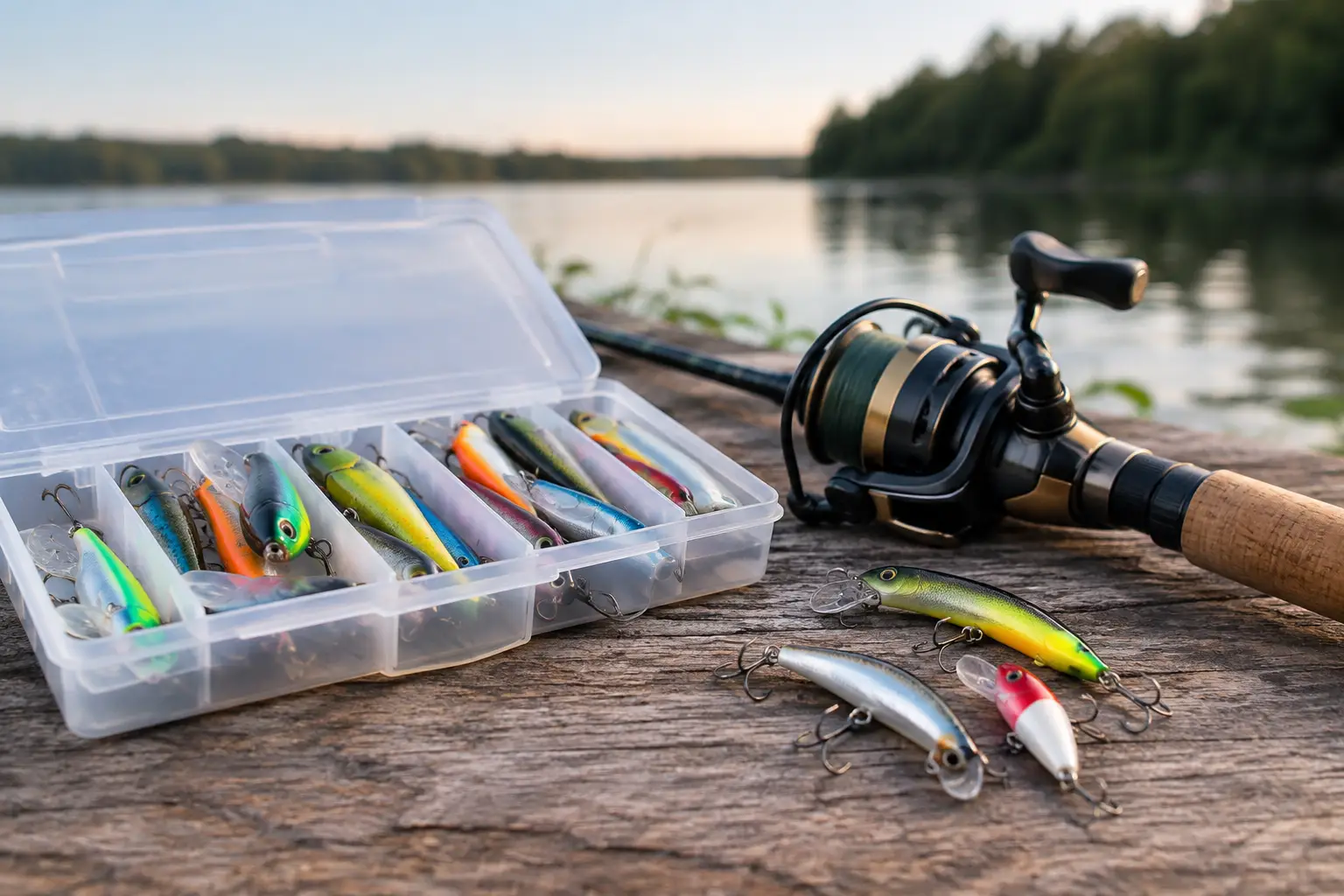
A free bait is only a bargain if it gets tied on. The best free fishing lure samples are not random extras headed for the bottom of a tackle bag. They are a chance to test a profile, color, blade combination, or action that might solve a problem on your home water.
For bass anglers, one good sample can earn a permanent place in the boat. It might be the compact jig that gets bit after a cold front, the spinner that holds its depth in stained water, or the buzzbait that finally draws a big fish out of a shallow pocket. The key is giving that lure a fair shake instead of deciding whether it works after three casts.
What Free Fishing Lure Samples Are Really For
A sample gives you a low-risk way to learn something useful. Maybe you usually throw a bulky black-and-blue jig, but the sample is a smaller natural-color presentation. Maybe you fish spinnerbaits all spring but have never spent much time with a topwater bait. That unfamiliar lure can show you another way to cover water or trigger fish that have seen the same old presentation all season.
The value is not just the price tag. A good lure sample lets you judge what matters on the water: how it tracks, how the hook rides, whether the skirt breathes at rest, how well the hardware holds up, and how much confidence it gives you after a few hours of fishing.
That is especially true with handcrafted tackle. Small details make a difference. Wire diameter changes a buzzbait’s sound and lift. Blade shape affects flash and thump. A jig head and hook need to work together when a fish eats in brush. You can see some of that at the workbench, but fishing it is the real test.
Do Not Treat a Sample Like a Throwaway Lure
Anglers often make one of two mistakes with samples. They either save them forever because they are new, or they tie them on for five minutes in the wrong conditions and write them off. Neither approach tells you much.
Before the lure hits the water, look it over. Check the knot point, hook point, skirt bands, trailer keeper, blade connections, and line tie. If it is a soft plastic, note its body shape, tail action, and whether it is built to move slowly or be worked aggressively. This quick inspection helps you understand what the lure is designed to do.
Then fish it where it has a reasonable chance to succeed. A white buzzbait deserves low-light water, shallow cover, or active fish looking up. A compact jig deserves a target such as laydowns, dock posts, rock, or grass edges. A spinnerbait belongs around cover and moving fish, especially when wind, stain, or cloud cover call for flash and vibration.
That does not mean a lure only works in the textbook situation. Big fish break rules all the time. It does mean that your first test should give the bait a fair chance to show its strengths.
Give Each Sample a Real Test Window
One fish can tell you a lure has potential. No fish does not automatically mean it failed. Conditions, location, retrieve speed, and fish activity all matter.
Try to give a sample at least one focused stretch of water and more than one retrieve. With a buzzbait, experiment with just-fast-enough speed to keep it on top, then add pauses beside cover if the bait allows it. With a jig, hop it, drag it, and let it sit. With a spinner, change retrieve speed and let it bump cover instead of keeping it out in open water.
Pay attention to follows, short strikes, and missed blowups. Those are clues. A bass that wakes behind a topwater may want a slower retrieve, a smaller profile, or a brief pause. A fish that bumps a spinnerbait but will not commit may be reacting to too much speed or an overly bright blade combination. Fishing is rarely as simple as cast, retrieve, catch. The near-misses often teach the most.
Match the Sample to the Water You Actually Fish
The best tackle box is built around your water, not somebody else’s highlight reel. Free samples are useful because they let you test a bait against the conditions you see every week.
In muddy water, fish often need help finding the lure. That can mean a louder topwater, a spinnerbait with strong vibration, or a jig with enough bulk to push water. In clear water, a more natural color, lighter line, and quieter approach may get more bites. On pressured lakes, downsizing can be the difference between a look and a strike. On farm ponds or small reservoirs with hungry fish, a bolder presentation may get noticed faster.
Season matters too. In early spring, slow presentations around staging cover can be hard to beat. Once fish move shallow and start feeding aggressively, a buzzbait or spinnerbait can cover water quickly. In summer, shade, grass, current, and deeper structure shape the decision. In fall, matching baitfish and keeping a moving lure around active schools becomes more important.
There is no magic sample that catches everywhere. The point is to find out where a particular lure fits in your rotation.
Keep Notes Like an Angler Who Wants Better Results
You do not need a tournament spreadsheet to learn from free fishing lure samples. A note on your phone is plenty. Record the water clarity, weather, time of day, location type, lure color, and retrieve that produced a bite. If you lost a fish, write that down too.
After a few trips, patterns start showing up. You may learn that a certain buzzbait gets your best bites on cloudy evenings around wood. You may notice a compact jig works better after the sun gets high. You may find that a sample color you would never have bought becomes your best option in dingy water.
This is also how you separate a confidence bait from a lucky bait. A lucky bait catches one fish. A confidence bait keeps producing under repeatable conditions.
Change One Thing at a Time
When a sample is not getting bit, resist the urge to change the rod, line, location, color, trailer, and retrieve all at once. You will not know what helped.
Start with retrieve speed or angle. Then consider a trailer change, line size, or different target. For a jig, a smaller trailer can make the bait fall faster and look less imposing. For a buzzbait, a trailer can add bulk and help keep the bait on the surface at slower speeds. Small changes can turn a lure from average to right-on-time.
What Makes a Sample Worth Buying Again
A lure earns another spot in the order when it does more than catch a fish once. It should run true, survive contact with cover, hold up after several fish, and make you want to pick it back up. If the hook is sharp, the components stay put, and the bait consistently does what it was built to do, that is tackle worth keeping around.
Durability matters because big fish rarely show up when it is convenient. You do not want a skirt sliding down, a blade failing, or a hook losing its point when the bite finally turns on. A sample is a good chance to judge that quality before you commit to several colors or sizes.
Hart Tackle includes a free sample with orders for a reason: anglers who put a bait in the water can give honest feedback about how it performs. That back-and-forth matters. Tackle should be built for real bank lines, boat docks, flooded brush, grass mats, and long days when one bite can make the trip.
Put the Right Sample Within Reach
Once a free lure proves itself, do not bury it in a miscellaneous compartment. Keep it where you can reach it when the conditions line up. Rig replacements for soft plastics. Add a trailer to the jig box. Keep that buzzbait near the top of the bag for the next calm morning or cloudy evening.
The next free sample might not become your favorite lure. But if you fish it with purpose, it can teach you something about your water, your fish, and the presentation you have been overlooking. Sometimes that little extra in the package is the bait that catches the big one.
