
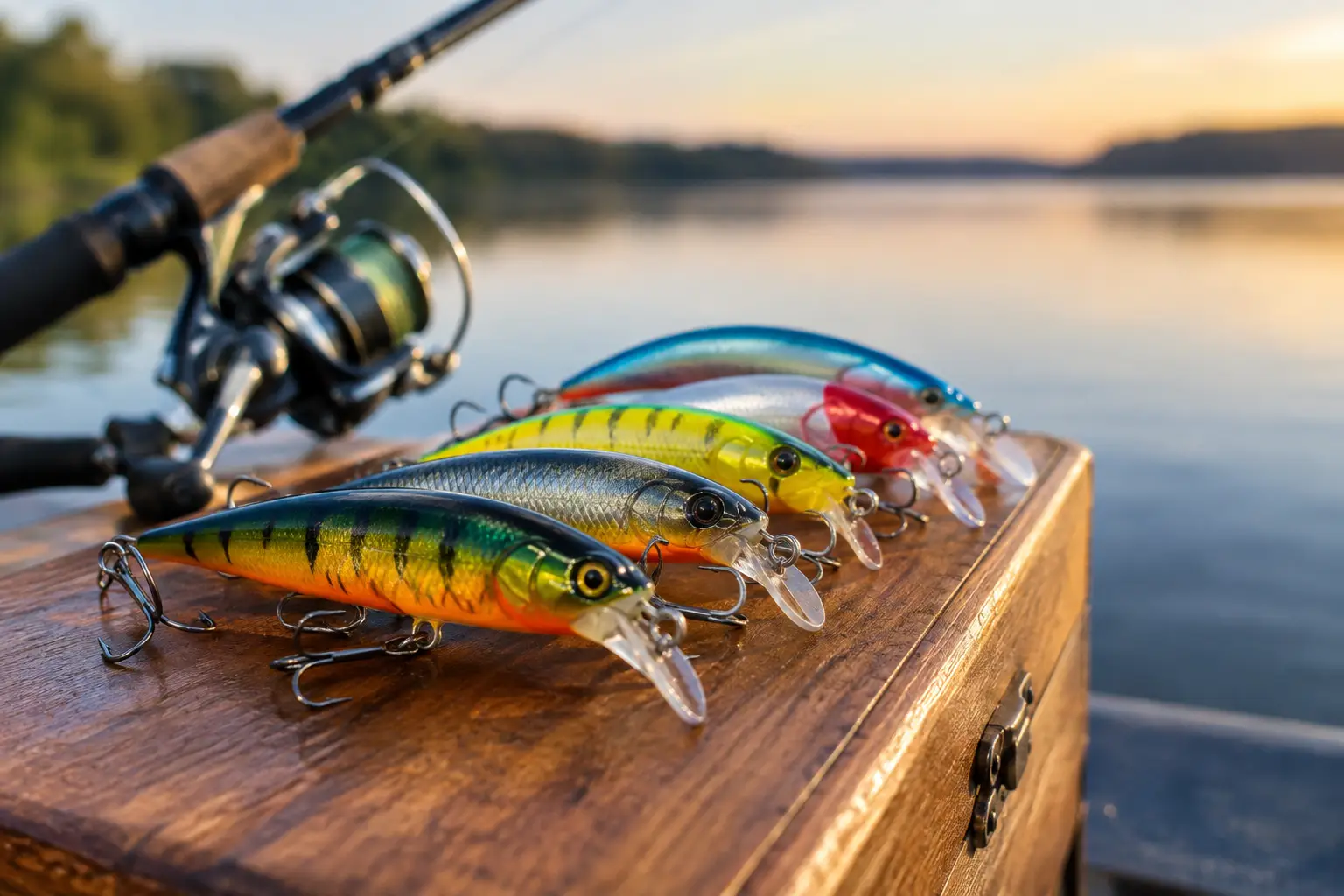
A bait can look sharp in a package and still let you down when it matters. The wire rolls after one fish, the skirt slides, the hook is too light, or the bait tracks sideways when you burn it across a point. That is why handmade fishing lures USA anglers rely on are about more than having something different tied to the line. They are built around the details that make a lure run right, hold up, and get hit.
For freshwater anglers chasing bass, pickerel, pike, crappie, and other predators, confidence starts before the cast. You want to know that your buzzbait will plane quickly, your jig hook will stick, and your spinner will thump in stained water. Handmade tackle gives the maker room to focus on those jobs instead of cutting every decision down to the cheapest possible part.
Why Handmade Fishing Lures USA Anglers Choose Matter
American-made tackle is not automatically better just because it is made close to home. The real value comes from accountability. A family-run lure maker can pay attention to the parts, test a bait’s action, hear what anglers say after a rough day on the lake, and make changes without waiting for a giant production schedule.
That shows up in the water. A well-built buzzbait should start working almost as soon as it lands, not require a long run before the blade catches. A jig should have a clean, durable head finish, a solid weedguard, and a hook that matches the cover it is meant to fish. A soft plastic needs the right balance of body shape, movement, and toughness. Those are small details until a five-pounder blows up beside a laydown or buries itself in milfoil.
Handmade does not mean every lure is a museum piece. It means the lure was made to do a job. The best handmade baits get fished hard, bounced off docks, dragged through brush, and thrown again after they catch a fish.
There is also a simple benefit to buying from a U.S. tackle maker: you are dealing with people who understand the waters, seasons, and species their customers fish. A bass angler in a muddy southern reservoir may need more vibration and a bolder profile. An angler fishing clear northern water may want a natural skirt, a compact jig, or a spinner that does not overpower pressured fish. Good lure builders know there is no magic color or one bait for every lake. They build options that let anglers adjust.
What Separates a Good Handmade Lure From a Pretty One
Start with action. A lure can have perfect paint and still fail if it does not move water correctly. On topwater baits, that may mean a blade that squeaks, clacks, or throws enough spray to call fish out of shallow cover. On a spinner, it is blade rotation and vibration. On a swimbait, it is a tail kick that looks alive at the speed you actually fish.
Next, look at hardware. Strong hooks, dependable split rings, properly formed wire, quality blades, and secure skirts are not glamour features, but they decide whether a lure survives a season. Bigger fish expose weak components fast. If you fish heavy grass, timber, riprap, or boat docks, durability is not a bonus. It is part of the lure’s performance.
Balance matters just as much. A buzzbait that leans badly, a spinnerbait that rolls, or a jig that constantly lands upside down costs you clean presentations. Hand-poured heads, correctly placed weight, and thoughtful wire shaping help a bait track true. You should still tune any wire bait after a hard collision or a fish, because that comes with the territory. But a good lure gives you a strong starting point and comes back into tune easily.
Finally, consider the profile. A compact bait often gets bites when fish are pressured or feeding on smaller forage. A larger profile can move more water and pull bigger fish from thick cover. Neither is always right. The point is to carry lures with a purpose, not just a pile of random colors.
Match the Lure to the Water You Are Fishing
The best handmade lure on the rack will not help much if it is wrong for the conditions. Let the water and cover make the first decision.
In shallow, warm water with fish positioned around grass, wood, and bank cover, a buzzbait can be tough to beat. Work it over lanes in vegetation, beside isolated stumps, and along shade lines early or late. Keep the retrieve steady enough to hold it on top. If a fish blows up and misses, do not rip the bait away. Keep it moving for a second, then make a follow-up cast to the same spot.
When the water is stained or the wind is pushing bait around, spinnerbaits earn their keep. Blade flash helps, but the thump is often the bigger deal. Slow-roll one around rock or wood when bass are lower in the water column. Burn it past shallow targets when fish are aggressive. If the bait is getting short strikes, downsizing the profile or adding a trailer can change the outcome.
Jigs are for anglers willing to fish where the better bass live. Pitch one into a dock gap, crawl it through brush, or drag it down a rocky break. A jig is rarely a fast way to cover open water, but it shines when you need to put a substantial meal in front of a fish holding tight to cover. Choose a chunk or craw-style trailer for bulk and slower fall, or trim things down when the bite gets finicky.
Soft plastics and swimbaits cover the middle ground. A worm can pick apart a target after a loud moving bait fails. A paddletail swimbait can locate active fish along shallow flats, creek channels, and baitfish schools. The advantage is versatility. The trade-off is that these baits often ask you to pay closer attention to retrieve speed, hook choice, and how the fish are positioned.
Color Is a Tool, Not a Personality Test
Anglers can spend more time arguing about colors than fishing them. Keep the decision practical. In dirty water, use colors that give fish a strong target or contrast: black, chartreuse accents, white, darker skirts, and profiles that push water. In clearer water, natural shad, bluegill, crawfish, and subtle translucent colors usually make more sense.
That said, fish can ignore the rulebook. A black buzzbait may get crushed under a bright sky. A loud spinnerbait can produce in clear water when wind has broken up the surface. Carry a few trusted colors, then spend your time making accurate casts and finding active fish. Presentation usually beats a tackle-box debate.
Get More From Every Handmade Bait
Handmade lures deserve basic care, especially if you want them ready when the bite turns on. Rinse off mud and lake grime, let skirts and soft plastics dry before storing them, and check hooks after contacting rock or metal. Keep wire baits separated when possible so they do not get bent together in a crowded box.
Tune a buzzbait or spinnerbait when it starts tracking off center. A small adjustment to the wire can bring it back, but make changes slowly. Check the knot, too. Many lure problems blamed on a bait are really a damaged line, a poorly tied knot, or a snap that changes the lure’s action.
At Hart Tackle, every bait is made with that real-world expectation in mind: it has to earn its spot on the deck, not just look good in the tackle bag. Anglers who give honest feedback help keep the focus where it belongs – on action, durability, and fish-catching performance.
The next time you tie on a lure, give it a quick test beside the boat or bank. Watch how it tracks. Feel the vibration. Make sure the hook point is clean and sharp. Then put that bait where a big fish lives, make the cast count, and stay ready when the water breaks.
